
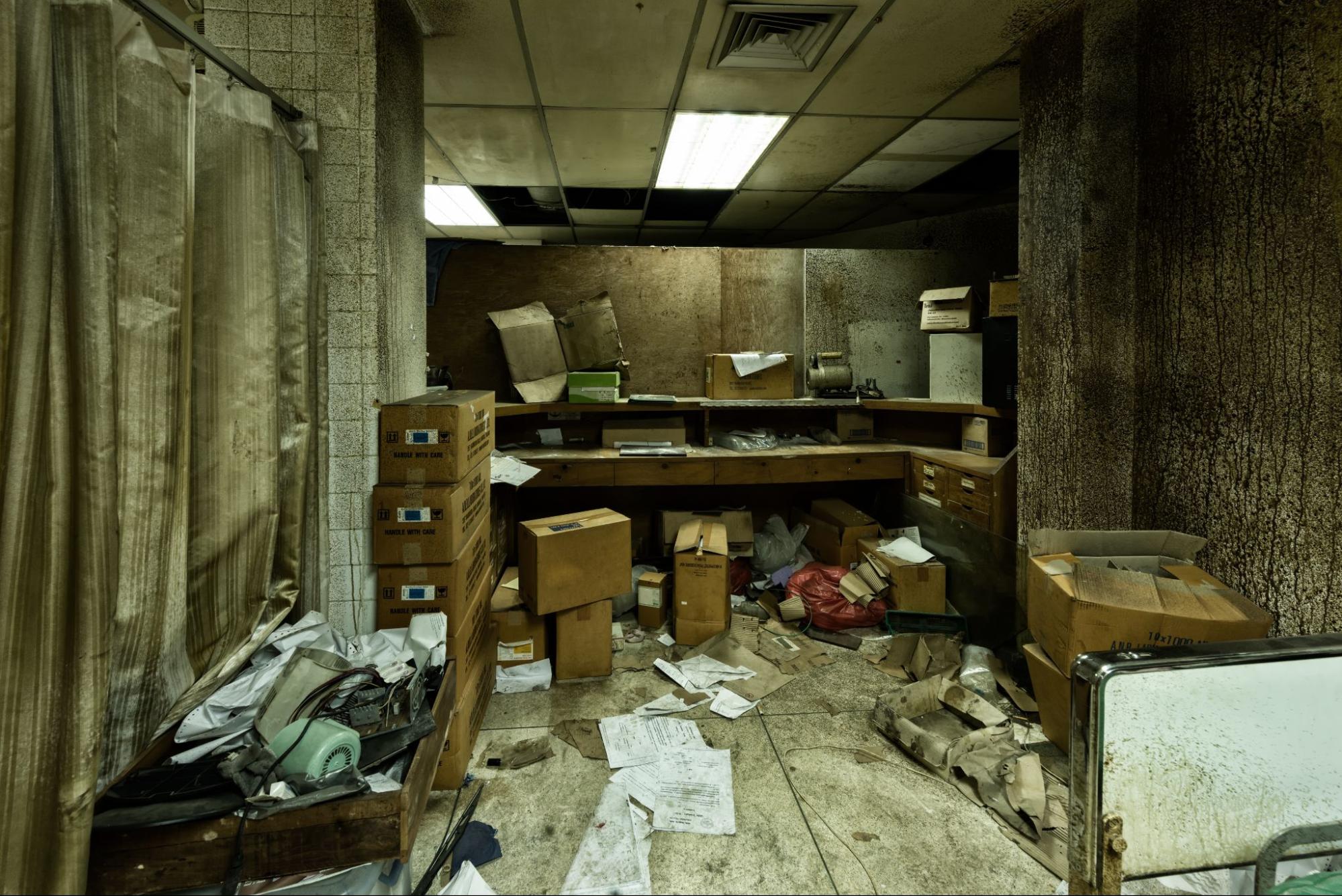
If you’ve been a landlord in Bothell long enough, you know disasters don’t wait for an invitation. They just barge in. Fire, flood, mold, they can turn a solid rental into a headache fast.
However, most of these problems can be prevented. Or at least minimized. Which, if you’ve ever dealt with tenants calling you at 2 a.m. because water is pouring through the ceiling, is worth its weight in gold.
Before we get into it, let’s get real about the basics. You, as the landlord, are ultimately responsible for keeping that property safe and livable. Sure, tenants have their part to play, but the liability? That lands squarely on your shoulders. Property managers know this dance well. In fact, having one in your corner can mean spotting small issues before they spiral into wallet-emptying disasters.
Still, even with a property manager on speed dial, you should understand the big risks yourself. Because the truth is, disasters in Bothell rentals aren’t just “acts of God.” They’re often the result of a missed inspection, a clogged gutter, or a furnace that should’ve been retired back when flip phones were still cool.
Fire Hazards: More Than Just Burnt Toast
Let’s start with fire. According to the U.S. Fire Administration, about 48.7% of reported residential fires involve cooking. That’s right, tenants and stovetops are a dangerous mix. But it’s not just careless cooking. Outdated wiring, space heaters, and dryer lint buildup are also regular culprits.
So what can you do?
Schedule annual HVAC and electrical inspections.
Replace smoke alarms every 10 years (most people don’t, by the way).
Install fire extinguishers where tenants can actually find them.
And while we’re here, think about reentering education. Tenants aren’t always going to read a safety pamphlet, but a quick conversation when they move in can stick. Property managers often take this off your plate, making sure both you and the tenants stay covered.
Floods: Not Just a River Problem
Flooding in Bothell isn’t just about rivers spilling over. It can start with something as boring as a busted water heater. Or a slow leak under the sink that nobody notices until the cabinet bottom looks like a sponge.
King County has seen increased rainfall events in recent years. In fact, data from NOAA shows a measurable uptick in heavy downpours in the Pacific Northwest. For landlords, that means gutters and drainage aren’t just “maintenance.” They’re your first line of defense against thousands in property damage.
Checklist time:
Clean gutters and downspouts twice a year.
Inspect water heaters every 8-10 years (and replace them when they’re past their prime).
Seal basement and crawl space entry points.
Water has a way of sneaking into places it doesn’t belong. Once it’s there, you’re not just dealing with puddles. You’re opening the door to fungi.
Mold and Mildew: The Unwanted Roommates
Mold doesn’t announce itself with a bang. It creeps in, quiet and steady, and by the time you notice it, you’re already playing catch-up. According to the CDC, mold can start growing within 24–48 hours after water damage. Which means procrastination is the enemy here.
Prevention looks a lot like vigilance:
Regular inspections for leaks, especially in bathrooms and kitchens.
Keeping indoor humidity below 60%.
Making sure tenants know to report leaks immediately.
And here’s the thing, some tenants won’t tell you until it’s a full-blown issue. That’s why property damage prevention in Bothell often hinges on inspections. Property managers know when to check those problem areas so you don’t end up footing the bill for a brand-new bathroom remodel.
Insurance: Your Back-Up Plan (But Not an Excuse)

Yes, insurance is crucial. But don’t let it lull you into laziness. Policies often exclude certain types of water damage or won’t cover mold if it’s considered “negligence.” In other words, if you didn’t do your job as a landlord, your policy might not save you.
Take time to review your rental property insurance. Know the exclusions. And consider flood insurance, even if your property isn’t in a “high-risk” zone.
The Balancing Act
At the end of the day, preventing disasters in your Bothell rental is about balance. Stay on top of maintenance. Educate tenants. Lean on professionals when you need to.
Disasters can’t always be avoided. But when you’re proactive, they’re far less likely to gut your wallet and your sanity.
We’ve seen enough landlords learn this the hard way. That’s why we believe in prevention as much as repair. If you’re looking to take some of that stress off your shoulders, we’d be glad to help at PMI Equitas – Bothell.
FAQs
1. What are the biggest rental property risks in Bothell?
A: The main risks are fire hazards, flooding from heavy rain or plumbing issues, and mold growth. Regular inspections and maintenance help prevent them.
2. How can landlords prevent property damage in Bothell rentals?
A: Stay on top of inspections, clean gutters, replace outdated systems, and educate tenants. Property damage prevention Bothell starts with consistency.
3. Do I really need flood insurance in Bothell?
A: Yes. Even if your property isn’t in a flood zone, heavy rainfall and plumbing failures can cause serious damage. It’s better to be covered.
4. How quickly does mold grow after water damage?
A: Mold can start within 24–48 hours. That’s why immediate cleanup and dehumidification are crucial after leaks or floods.
5. Should landlords hire property managers in Bothell?
A: If you don’t want to handle late-night emergencies or routine inspections yourself, property managers can save time, stress, and long-term repair costs.
